
Ask Dirk
Categories
In This Article
Short Answer: Yes, Carbon Monoxide Is Invisible, Dangerous, and Detectable Only With an Alarm
What is Carbon Monoxide?
How Much Carbon Monoxide Is Dangerous?
Where Does Carbon Monoxide Come From Inside a Home?
Why Routine HVAC Maintenance Matters
How Carbon Monoxide Detectors Work
How to Measure Humidity in Your Home
What Should You Do If Your CO Alarm Goes Off?
The Bottom Line
Ask Dirk: Why Should I Have a Carbon Monoxide Detector?
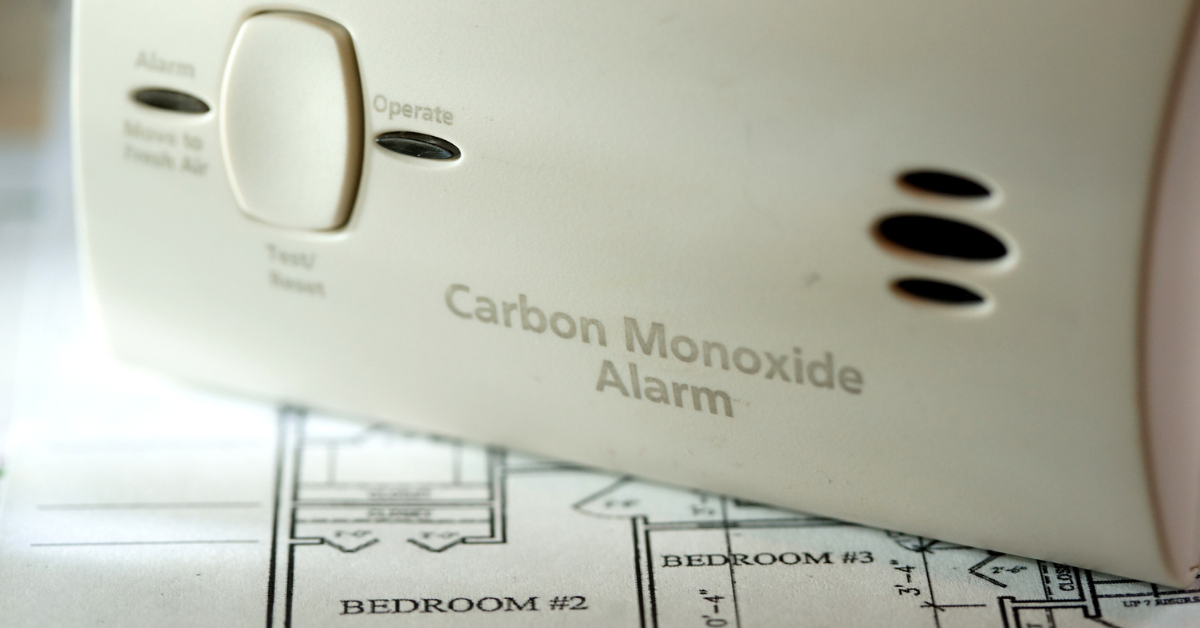
Short Answer: Yes, Carbon Monoxide Is Invisible, Dangerous, and Detectable Only With an Alarm
Carbon monoxide (CO) is an odorless, colorless gas that can build up in homes without warning. Because it cannot be seen or smelled, a carbon monoxide detector is the only reliable way to know if dangerous levels are present.
Even moderate exposure over time can cause health problems, and high concentrations can be deadly to both people and pets.
What Is Carbon Monoxide?
Carbon monoxide is a byproduct of fuel-burning appliances and engines. According to the Centers for Disease Control and Prevention (CDC), common household sources include:
- Gas furnaces and boilers
- Gas or oil water heaters
- Gas fireplaces
- Gas dryers
- Gas ranges and cooktops
- Vehicles and small engines
- Unvented fuel-burning heaters
Even properly maintained appliances can produce small amounts of CO, which is why monitoring is essential.
How Much Carbon Monoxide Is Dangerous?
In homes without gas stoves, average indoor CO levels typically range from 0.5 to 5 parts per million (ppm). However:
- Long-term exposure to levels as low as 20 ppm may cause health issues
- Higher concentrations can cause symptoms quickly
- Severe exposure can be life-threatening
Because CO accumulates silently, dangerous levels may exist without obvious warning signs.
Where Does Carbon Monoxide Come From Inside a Home?
Some sources are more common — and more dangerous — than others.
Common Household CO Sources
- Gas cooktops, especially during startup
- Gas or oil furnaces
- Gas water heaters
- Gas fireplaces
- Gas dryers
Proper venting is critical. If exhaust gases are not vented correctly outdoors, CO and other pollutants can enter your living space.
How Carbon Monoxide Detectors Work
Most standard CO detectors alarm when CO levels reach approximately 80–85 ppm or higher. However, they may not alert homeowners to lower-level exposure that can still be harmful over time.
Standard CO Detectors
- Less expensive
- Alarm only at higher levels
- Can be prone to false alarms
Low-Level CO Detectors
- More accurate
- Display real-time CO levels in ppm
- Alert homeowners at levels as low as 5–10 ppm
- Often store peak readings
While more expensive, low-level detectors provide earlier awareness and more reliable information.
How to Measure Humidity in Your Home
A hygrometer is a simple device that measures indoor humidity levels.
For the most accurate readings:
- Place it in main living areas such as bedrooms or living rooms
- Avoid kitchens and bathrooms, which naturally have higher humidity
Monitoring humidity helps ensure your home stays within the recommended range.
Cheaper hygrometers are likely to be less accurate.
What Should You Do If Your CO Alarm Goes Off?
If your carbon monoxide alarm activates:
- Shut down gas appliances only if it can be done quickly
- Leave the home immediately, opening doors if possible for ventilation
- Call 911 and allow the fire department to assess the situation
Never assume an alarm is false — even if you suspect a malfunctioning detector.
The Bottom Line
Carbon monoxide is one of the most dangerous household hazards because it gives no warning signs. CO detectors provide essential protection, and higher-quality detectors offer earlier and more accurate alerts.
Combined with routine HVAC maintenance and proper appliance venting, carbon monoxide detectors play a critical role in keeping your home and family safe.